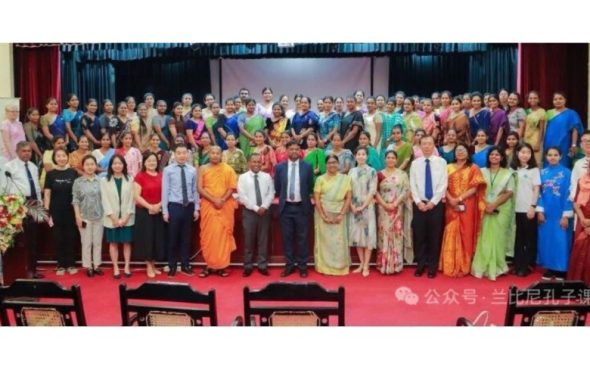
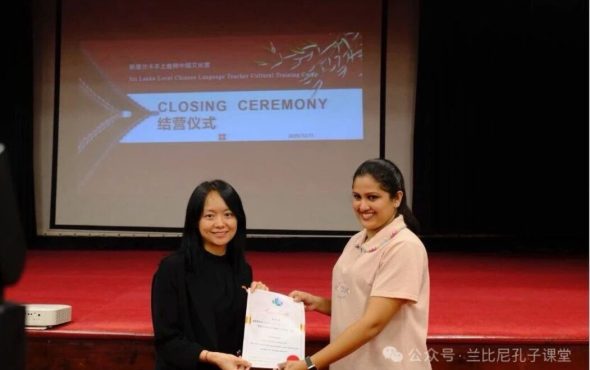
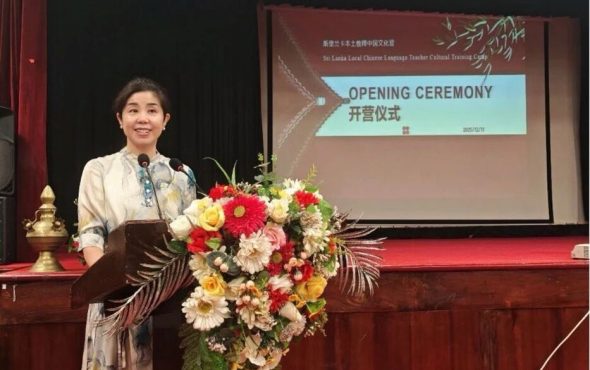
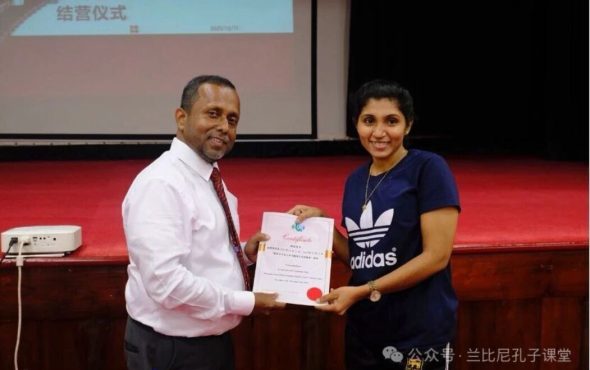
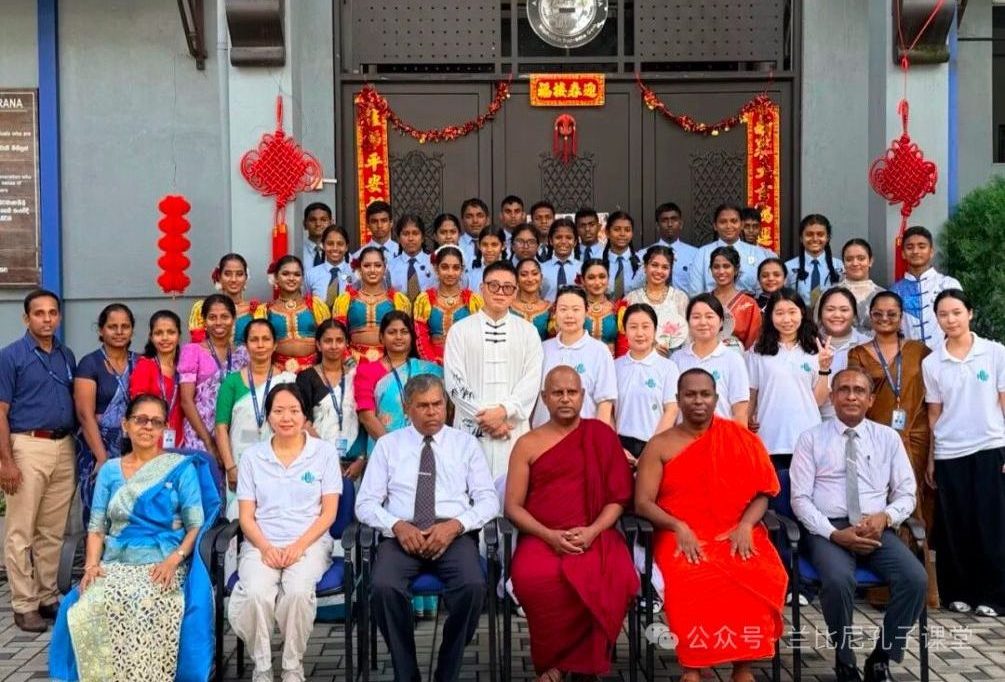
The two-day “Sri Lanka Local Chinese Teachers’ Chinese Culture Camp” successfully concluded on December 12, 2025, at the National Institute of Education.
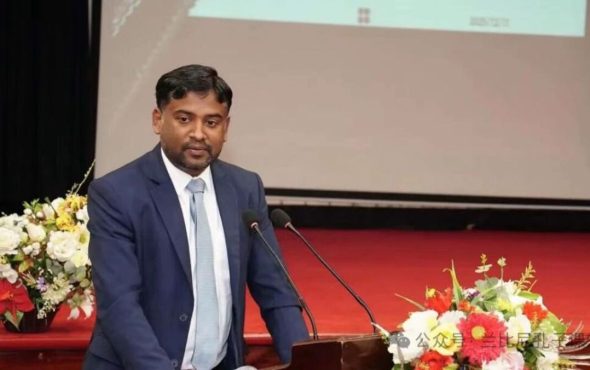
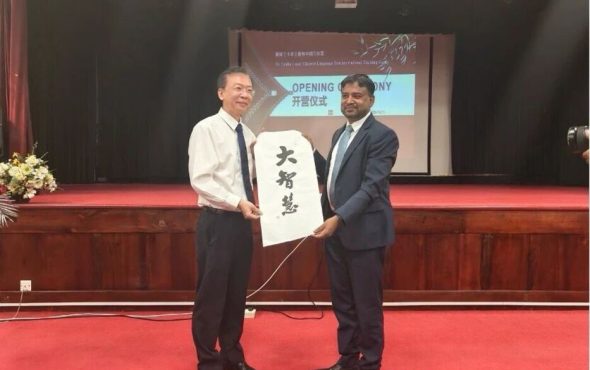
The cultural camp was organized by the Embassy of the People’s Republic of China in Sri Lanka and jointly hosted by Lumbini Confucius Classroom and the National Institute of Education of Sri Lanka. The opening ceremony was attended by distinguished guests including Mr. Madhura Senevirathna, Deputy Minister of Education of Sri Lanka, Ms. Ji Lili, Cultural Counsellor of the Chinese Embassy in Sri Lanka, and Ms. Manjula Vithanapathirana, Director of the National Institute of Education.
More than 120 local Chinese language teachers from across Sri Lanka participated in the program, reflecting the growing interest and development of Chinese language education in the country.
The primary objective of the cultural camp was to enhance teachers’ understanding of Chinese culture while improving their Chinese language teaching abilities. The event received significant attention from both the Sri Lankan education sector and the Chinese language teaching community.
The Chinese and Sri Lankan directors, together with the full teaching team of Lumbini Confucius Classroom, were actively involved in organizing and conducting the program throughout the two days.
Focus on Chinese Language Teaching & Cultural Education
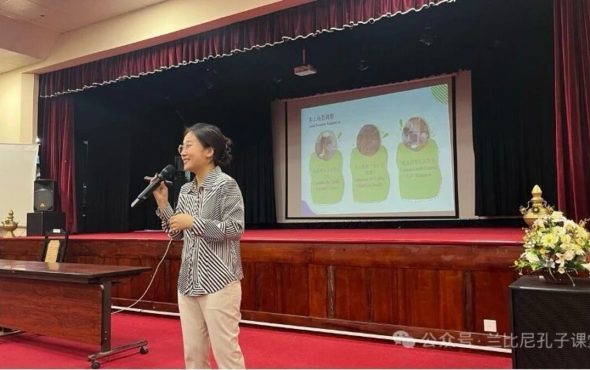
The first day of the training program focused on modern Chinese language teaching methods and cultural teaching practices. Sessions included:
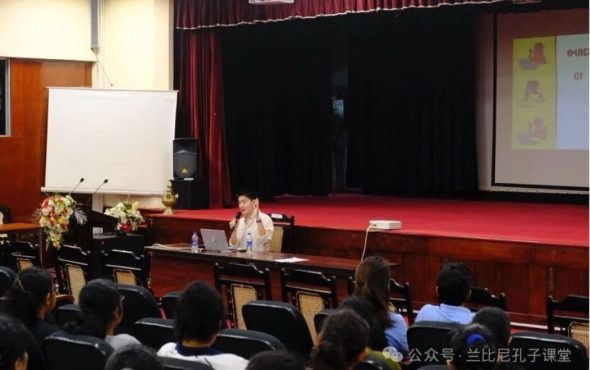
- Lectures on Chinese language teaching concepts and new trends
- Teaching design workshops
- Classroom teaching demonstrations and evaluations
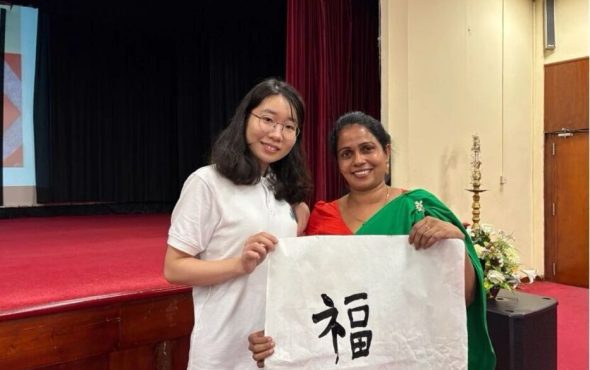
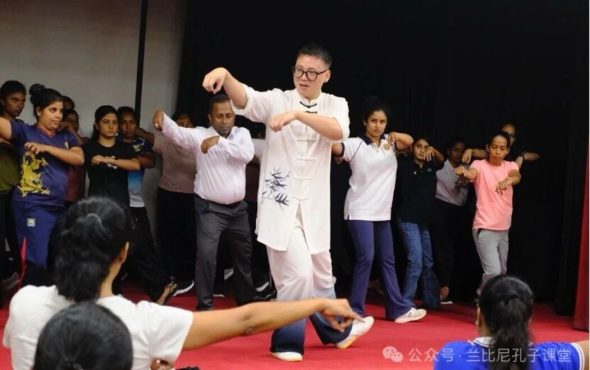
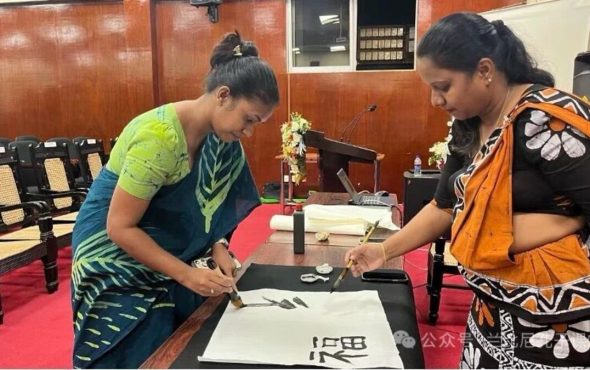
- Chinese calligraphy workshops and practical cultural teaching methods
These sessions helped teachers update their teaching approaches while learning practical cultural activities that can be directly applied in classrooms.



Alex Mohr
I really enjoyed this post. Very exciting article!! Lorem ipsum is dummy text used in laying out print, graphic or web designs.
Mark Alen
Grateful for your kind words! Thrilled to hear you found value in the insights. Your support means a lot. Thanks!
Hanna Ben
Inspiring education blog! Illuminating perspectives on effective teaching. Practical insights and innovative approaches make this a must-read for educators seeking impactful strategies. Bravo!